
For a patient living in Connecticutand suffering from any form of chronic illness, obtaining a medical cannabis card could be the best thing to do for oneself. With the introduction of the medical cannabis program in Connecticut, you will have access to the plant legally in several instances, apart from other perks that are reserved exclusively for medical patients. If you want to learn more about acquiring a medical card, then continue reading.
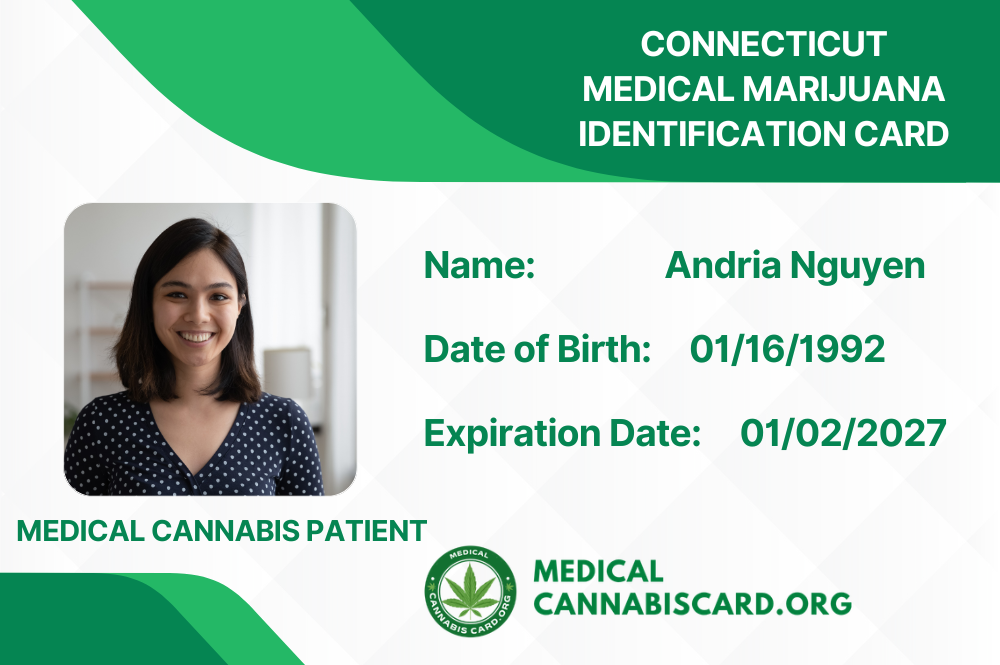
As we navigate the mid-2020s, the landscape of cannabis in the Constitution State has matured into a sophisticated and well-regulated industry. If you are a resident or a visitor stopping by the iconic Mystic Seaport or commuting into the bustling Insurance Capital of Hartford, you might be asking: is Marijuana legal in Connecticut in 2026? The answer is a definitive yes, but with several layers of regulation that distinguish between adult-use (recreational) and medical necessity.
While the initial “Green Gold Rush” following the 2021 legalization has settled, 2026 brings new refinements to the law that every Nutmegger should understand. Whether you live in a historic Colonial home in Litchfield or a modern shoreline condo in Stamford, knowing the current legal boundaries ensures you remain compliant while enjoying the benefits of the plant.
Connecticut’s journey toward legalization was a methodical one. From the decriminalization efforts years ago to the landmark signing of Senate Bill 1201 in June 2021, the state has prioritized safety and social equity.
By 2026, the market will have expanded significantly, with licensed retailers now dotting the map from the rolling hills of the Quiet Corner to the dense urban corridors of I-95.
However, legalization doesn’t mean a “free-for-all.” The state maintains strict oversight through the Department of Consumer Protection (DCP). In 2026, the focus has shifted toward refining the consumer experience and ensuring that medical patients, the foundation of the state’s program, are not left behind as the recreational market grows.
For those asking is Marijuana legal in Connecticut 2026?, the rules regarding possession remain a top priority. Under current statutes, adults aged 21 and older may legally possess:
These limits are designed to prevent large-scale unlicensed distribution while allowing personal freedom. If you are traveling between the coastal charm of Old Saybrook and the vibrant nightlife of New Haven, it is vital to keep your cannabis in a locked, glovebox-secured, or trunk-stored container, especially if the amount exceeds 1.5 ounces.
While it is legal to possess cannabis, where you consume it matters. Connecticut’s weather, characterized by its humid summers and occasionally harsh, snowy winters, often drives consumption indoors. However, if you live in multi-family housing or are staying in a rental in the shoreline district, be aware that landlords have the right to prohibit smoking or vaping on their property.
Public consumption is generally banned in areas where tobacco smoking is prohibited. This includes state parks, beaches, and near schools. If you’re planning a hike at Sleeping Giant State Park or a day at
Hammonasset Beach, leave your cannabis products at home to avoid municipal fines.
One of the most exciting aspects for enthusiasts in 2026 is the maturity of the home-grow laws. Since 2023, all adults over 21 have been allowed to grow cannabis at home.
Given Connecticut’s varied climate, most residents find success growing in basements or dedicated spare rooms. The high humidity of the Connecticut River Valley during July can lead to mold issues for outdoor-adjacent grows, making climate-controlled indoor environments the standard for high-quality home harvests.
Even though the recreational market is booming, the medical marijuana program remains the “gold standard” for those using cannabis for health reasons. When people ask is Marijuana legal in Connecticut 2026?, they often overlook the significant advantages of holding a medical certification.
Recreational cannabis in CT is subject to three layers of tax: the standard 6.35% sales tax, a 3% municipal tax, and a THC-based excise tax. Medical patients are exempt from these, often saving 20% or more on every purchase. Over a year of treating a chronic condition, this can amount to thousands of dollars saved.
Medical dispensaries and hybrid retailers often reserve high-potency products or specific cultivars (strains) exclusively for medical patients. If you require specific cannabinoid profiles for conditions like PTSD or chronic pain, the medical program ensures you get what you need.
In 2026, workplace discrimination remains a concern. While Connecticut has laws protecting recreational users, medical cardholders have more robust protections, particularly in employment sectors that are not subject to federal safety mandates.
The experience of cannabis in Connecticut varies by geography. In affluent areas like Greenwich or Darien, you might see sleek, boutique-style dispensaries that look more like high-end tech stores. Meanwhile, in cities like Bridgeport and Hartford, the social equity program has helped launch community-focused businesses that reinvest profits into local neighborhoods.
The local weather also dictates the “vibe” of the market. During the vibrant fall foliage season, dispensaries often see an influx of visitors seeking topicals for hiking-induced muscle aches.
In the dead of winter, when “Nor’easters” keep everyone inside their cozy Colonials or Cape Cod-style homes, delivery services (which are fully operational in 2026) become the lifeline for both medical and recreational users.
Consider “Mark,” a 55-year-old resident of West Hartford dealing with chronic back pain from years of construction work. Before legalization, Mark relied on unregulated sources. In 2026, he utilizes the state’s online portal to maintain his medical card.
“The difference is the peace of mind,” Mark says. “I know exactly what is in my tincture, I don’t pay the heavy taxes, and I can walk into a dispensary near Blue Back Square and talk to a pharmacist who knows my history.”
Connecticut has proven that a well-regulated cannabis market can coexist with public safety and community values. From the vibrant shoreline to the quiet hills of the north, the state has embraced a future where the plant is normalized yet respected.
So, is Marijuana legal in Connecticut in 2026? Yes, it is a cornerstone of the state’s economy and a vital resource for thousands of patients. By understanding the possession limits, respecting local consumption ordinances, and recognizing the immense value of the medical marijuana program, you can navigate this landscape with confidence.
Whether you are looking for relief from a medical condition or seeking a recreational experience,
Connecticut’s laws are designed to provide a safe, regulated, and accessible path for all adults.
Yes, but it must be in a sealed, inaccessible container. Driving under the influence remains strictly illegal and is a major focus for the Connecticut State Police on highways like I-84 and Route 8.
Yes, seeds are legally available for purchase at many licensed dispensaries and specialty gardening shops to support the home-grow community.
While some states offer reciprocity, it is always best to check the specific laws of the state you are visiting. However, having a CT card is strong proof of medical necessity.
Yes. If you work in a “safety-sensitive” job, you can be fired. Also, if you are high at work, your medical card will not protect your job.