
Fair prices. Fast approvals. Your health always comes first. Get Qualified for a Connecticut Medical Marijuana Card Today.
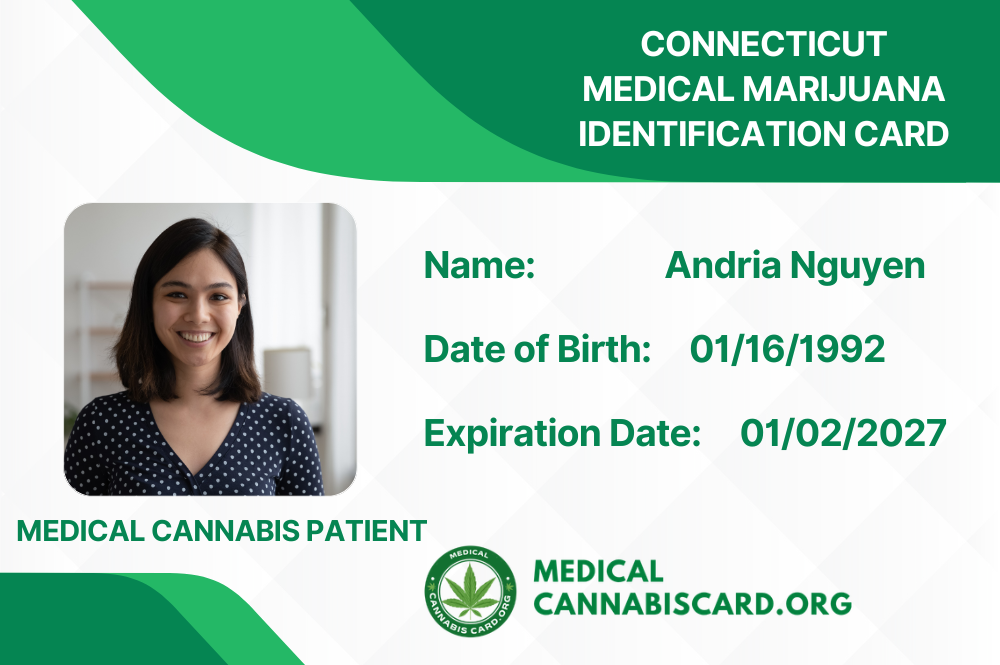
If you are looking for relief, understanding the qualifying conditions for the Medical Card in Connecticut [2026] is your essential first step. Even though recreational cannabis is available, the medical program remains a vital resource for thousands of Connecticut residents. It offers stronger legal protections, tax exemptions, and access to products that recreational users simply cannot get.
In this guide, we will walk you through the specific medical requirements set by the Department of Consumer Protection (DCP). We will also explain why, in 2026, holding a medical card is still the smartest choice for your health and your wallet.
Before we dive into the conditions, it is important to answer a common question: “Why do I need a card if I can just walk into a dispensary in New Haven or Hartford?”
In 2026, the answer comes down to three things: Cost, Access, and Age.
Recreational cannabis in Connecticut is subject to a hefty tax burden. You pay the standard 6.35% sales tax, plus a state excise tax based on THC content, and often a 3% municipal tax. For a regular patient, this adds up to hundreds of dollars a year.
Recreational users are limited in how much they can buy and carry.
Recreational use is strictly for adults 21 and over.
Medical Advantage: The medical program is open to patients 18 and older. Minors (under 18) can also qualify for specific conditions with a caregiver.
To get your card, a certified physician or APRN (Advanced Practice Registered Nurse) must diagnose you with one of the state-approved debilitating medical conditions.
Here is the comprehensive list of Qualifying Conditions for Medical Card in Connecticut [2026] for adults:
Connecticut is compassionate but strict regarding children. The list for patients under 18 is much shorter. A minor must have a parent or guardian serve as their caregiver.
Getting your card in 2026 is faster than ever. You no longer need to sit in a waiting room off the Merritt Parkway. The state allows for Telehealth visits, meaning you can get certified from your living room.
You will schedule a video appointment with a certified medical practitioner. They will review your medical history and discuss your condition. If you meet the criteria for the Qualifying Conditions for Medical Card in Connecticut [2026], they will certify you.
Once certified, your doctor enters your information into the Department of Consumer Protection’s online portal. You will receive an email to complete your registration.
Step 3: State Fee & Digital Card
If you are caring for an elderly parent in a retirement community in Glastonbury or a child with special needs, you can register as a Caregiver.
Having a medical card offers protections that recreational users do not have.
Under the Palliative Use of Marijuana Act (PUMA), Connecticut employers generally cannot fire or refuse to hire a person solely because of their status as a qualifying patient. This is a massive protection for residents working in non-federal jobs.
Landlords generally cannot refuse to rent to you simply because you are a registered patient, provided you are not violating smoke-free policies (e.g., using edibles or tinctures instead of smoking).
Universities and schools in Connecticut cannot deny enrollment to a student solely based on their status as a medical marijuana patient.
Living in New England means adapting to the environment. For patients with Rheumatoid Arthritis or Ehlers-Danlos Syndrome, the barometric pressure changes during a Nor’easter can be agonizing.
For those with PTSD, the noise and crowds of summer festivals in downtown Hartford or the busy beaches at Hammonasset can be triggering.
The medical program allows you to manage these localized stressors with consistent access to the specific strains and products that work for you. Unlike recreational menus, which fluctuate based on hype and demand, medical menus prioritize stability and medicine.
Your health is personal. In a state known for its history and independence, you deserve the freedom to choose the best treatment for your body.
Whether you are seeking relief from chronic pain, anxiety, or a serious illness, the medical program is designed to support you. By understanding the qualifying conditions for a Medical Card in Connecticut [2026], you can make an informed decision that saves you money and provides legal peace of mind.
Don’t let another New England winter pass by in discomfort. If you have one of the conditions listed above, help is available.
Yes. As of 2026, medical patients (and all adults 21+) can grow up to 3 mature and 3 immature plants at home, with a maximum of 12 plants per household. However, growing requires a secure, indoor location not visible from the street.
Yes. You must provide proof of residency, such as a CT driver’s license, a utility bill, or a lease agreement.
Medical marijuana certifications in Connecticut are valid for one year. You must renew annually with your doctor to keep your status active.
This is a complex federal issue. While CT state law protects your right to medicine, federal law prohibits cannabis users from purchasing firearms. It is best to consult with a legal expert regarding Second Amendment rights and medical cannabis.